Whose Yard Is Richmond-Ready? Find Landscapers Who Know the Local Clay and Climate
Welcome to our Richmond landscaping directory – your go-to spot for finding the best yard wizards, garden gurus, and lawn legends in the River City! Whether you need someone to tame your overgrown jungle or create the perfect outdoor oasis, we've got the local pros who know how to make Richmond landscapes shine.
Map of Businesses in Richmond
All Listings in Richmond
11 businesses
Cartwright Landscaping
Landscaper
RW Landscaping Service
Landscaper
Terra Forma Landscaping
Landscaper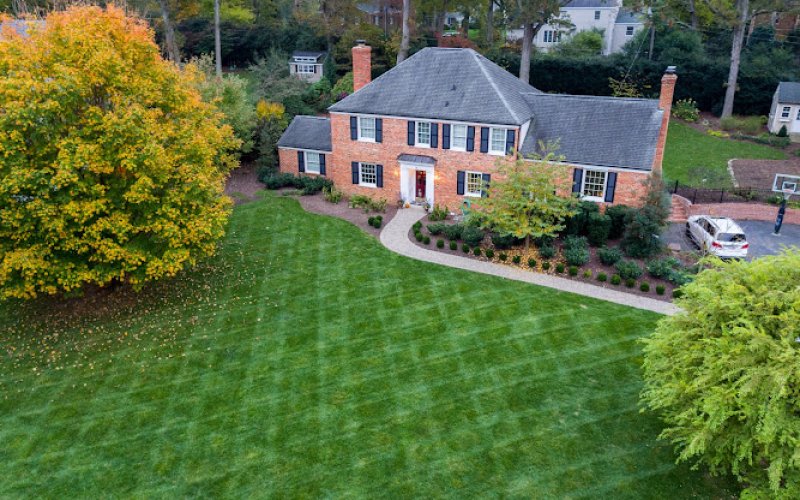
Green Side Up Landscaping
Landscaper
YARDS PLUS LLC
Landscaper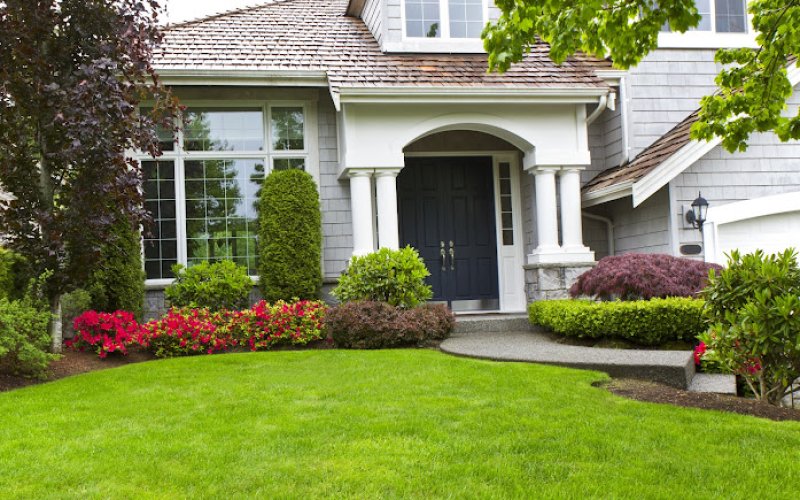
Virginia Green Lawn Care
Lawn care service
Green Dream Landscaping
Landscaper
The Hardscape Center
Landscaping supply store
Integrity Lawn Maintenance (Richmond, VA)
Landscaper
LawnStarter Lawn Care Service
Lawn care service
West End Lawn & Garden
LandscaperAbout Landscapers in Richmond
Richmond's landscaping market has exploded—literally. With 312% more permits pulled for major landscape installations compared to 2019, the River City is reshaping its outdoor spaces faster than kudzu grows in July. The numbers tell a story of serious money moving through Richmond soil. Average residential landscape projects now hit $8,400, up from $5,200 just three years ago. Commercial work? We're talking $45,000+ for the corporate campuses sprouting around Short Pump and downtown's medical district. But here's what's driving this green rush: Richmond's population jumped 14% since 2020, with most newcomers landing in suburbs that need everything from basic lawn care to full outdoor entertainment spaces. Your typical Richmond landscaping customer isn't who you'd expect. Sure, there's the expected West End crowd dropping $25K on water features. But the real volume comes from young professionals in Church Hill and Manchester—folks earning $65K-$85K who want their 0.2-acre lots to look intentional, not accidental. These aren't your parents' landscaping needs. They want native plants, rain gardens, and outdoor kitchens where they can host their book clubs and watch parties. What makes Richmond different? Clay soil that laughs at DIY weekend warriors. Humidity that turns basic maintenance into a part-time job. And a city government that's gotten serious about stormwater management—meaning more residents need professional help to stay compliant with new drainage requirements. Plus, Richmond's historic neighborhoods come with mature trees that require specialist knowledge. You can't just plant whatever looks pretty at Home Depot.
The Fan & Museum District
- Area Profile: Historic rowhouses, young professionals, median income $58K, parking challenges
- Landscapers Activity: Small-space solutions dominate—vertical gardens, container plantings, tiny backyard transformations that maximize every square foot
- Price Range: $2,500-$8,000 for typical projects, heavy on design vs raw materials
- Local Note: Historic district restrictions mean you need landscapers who understand preservation requirements and can work with existing mature trees
West End (Short Pump, Innsbrook)
- Area Profile: Suburban families, corporate relocates, household incomes $95K+, new construction on larger lots
- Landscapers Activity: Full-scale installations—irrigation systems, outdoor kitchens, pool landscaping, seasonal color programs
- Price Range: $12,000-$40,000+ for complete makeovers, maintenance contracts $200-$400 monthly
- Local Note: Clay soil challenges require specialized drainage solutions, and HOA compliance adds complexity to plant selection
Church Hill & Union Hill
- Area Profile: Mix of longtime residents and gentrification, varied income levels, historic homes with character
- Landscapers Activity: Restoration projects, native plant gardens, slope stabilization on Richmond's famous hills
- Price Range: $4,000-$15,000 for major projects, often phased over multiple seasons
- Local Note: Steep terrain creates unique challenges—retaining walls, erosion control, and accessing backyards often requires creative solutions
Southside (Forest Hill, Woodland Heights)
- Area Profile: Established neighborhoods, families with kids, median income $72K, mix of vintage and updated homes
- Landscapers Activity: Family-friendly spaces—play areas, vegetable gardens, low-maintenance front yards that still look polished
- Price Range: $5,500-$18,000 for comprehensive projects, emphasis on practical over flashy
- Local Note: Mature neighborhoods mean working around established root systems and drainage patterns that have been in place for decades
📊 **Current Price Points:**
- Budget options: $1,500-$4,000 (basic lawn installation, simple plantings, mulch refresh)
- Mid-range: $5,000-$15,000 (most popular segment—includes design, quality plants, basic hardscaping)
- Premium: $20,000+ (custom outdoor living spaces, water features, full property transformations)
The market's running hot. Demand jumped 28% year-over-year, but supply hasn't kept pace. Good landscapers are booking 6-8 weeks out during peak season (March through June), compared to 2-3 weeks in 2022. Material costs have stabilized after the pandemic spike, but labor remains expensive—skilled crew leaders now command $25-$30/hour, up from $18-$22 pre-COVID. 📈 **Market Trends:** Richmond's seeing a shift toward sustainability-focused projects. Rain gardens and native plant installations grew 185% last year. Clients want outdoor spaces that handle our increasingly unpredictable weather—think drainage solutions that manage both drought and flood conditions. Seasonal patterns still follow Virginia's climate, but projects now start earlier (February) and run later (November) as homeowners try to beat the rush. 💰 **What People Are Spending:**
- Lawn installation/renovation: $3,200 average
- Landscape design + planting: $7,800 average
- Hardscaping (patios, walkways): $12,500 average
- Outdoor lighting systems: $4,100 average
- Irrigation installation: $5,900 average
Richmond's economy is feeding this landscaping boom in ways that aren't immediately obvious. The city's growing 2.1% annually—not explosive, but steady enough to create consistent demand. Major employers like Capital One, VCU Health, and the federal court system bring in relocating professionals who need their new properties to look established, fast. **Economic Indicators:** The median household income hit $78,400 in 2024, about 12% above the Virginia average. New residential construction permits increased 31% last year, concentrated in Chesterfield and western Henrico. But here's the kicker—existing home sales in the city proper jumped 19%, meaning more people are buying older properties that need landscape updates. **Local Market Dynamics:** Of Richmond's 17 established landscaping companies, three dominate commercial work while smaller firms compete for residential projects. The market supports this because Richmond's diverse housing stock creates niches. Historic properties need specialists. New construction needs volume installers. Slopes and clay soil create technical challenges that separate pros from weekend warriors. **How This Affects Buyers/Customers:** You're competing for limited crews during peak season. Quality landscapers can be selective about projects—they're turning down small jobs or customers who seem difficult. But this also means the market rewards customers who are organized, decisive, and realistic about timelines. Pay deposits promptly, have clear scope discussions, and you'll get better service than clients who waffle or negotiate every line item.
**Richmond Seasonal Patterns:**
- ☀️ Spring/Summer: Peak demand, 40% higher prices, book 8+ weeks ahead, limited availability for changes
- 🍂 Fall: Sweet spot for planting, 15% better pricing, crews have more time for detailed work
- ❄️ Winter: Planning season, best prices for spring projects, hardscaping work continues in mild weather
- 📅 Peak months: March-May for installations, September-October for major plantings
Richmond's climate creates interesting timing opportunities. Our mild winters mean hardscaping work continues year-round, while plant installations follow two seasons—spring and fall. Smart customers book winter consultations for spring work, securing better pricing and crew availability. **Timing Tips for Richmond:** Fall planting (September 15-November 1) gives plants a full season to establish before summer heat. Winter planning sessions (December-February) lock in better rates and ensure you're first in line when crews mobilize. Avoid Memorial Day through July 4th—everyone wants their landscapes perfect for summer entertaining, creating bottlenecks. **Smart Timing Tips:**
- ✓ Book consultations in December for 15-20% savings on spring projects
- ✓ Schedule major installations for September-October when plants establish better
- ✓ Plan hardscaping for winter months when crews have more flexibility
- ✓ Avoid peak wedding season (May-June) when landscapers focus on commercial clients
**Credentials to Verify:** Virginia requires landscape contractors to hold a Class A or B contractor's license through the Department of Professional and Occupational Regulation (DPOR). Check license status at dpor.virginia.gov—active licenses show current insurance and bonding. Look for Virginia Green certification for environmental best practices, and membership in Virginia Association of Landscape Professionals. **Questions to Ask:** How many Richmond projects have you completed in the last two years? Can you provide three references from clients within 10 miles of my location? What's your standard warranty on plants and installation work? Do you carry workers' compensation insurance? These aren't gotcha questions—legitimate contractors answer them readily. ⚠️ **Red Flags Specific to Richmond Landscapers:**
- Door-to-door solicitation claiming they have "leftover materials from nearby job"
- Quotes significantly below market rate without clear explanation of scope differences
- Pressure to sign contracts immediately or lose pricing
- No local references or all references from outside Richmond metro area
**Where to Check Complaints:** Virginia DPOR maintains contractor complaint records. Better Business Bureau covers Richmond metro area. But honestly? Google and Nextdoor reviews tell you more about actual customer experience than formal complaint systems. Look for patterns in negative reviews—one unhappy customer might be unreasonable, but three describing similar problems suggests real issues.
✓ Established presence in Richmond with verifiable local projects from past 3+ years
✓ Portfolio showing work similar to your property type and budget range
✓ Written estimates breaking down labor, materials, and timeline
✓ Clear communication about Richmond-specific challenges (clay soil, drainage, plant selection)
✓ References you can actually contact and visit if possible
Cost Calculator
Landscaping Project Calculator
Estimate materials, labor, and project costs for residential & commercial landscaping in the US market.
Check Reviews & Ratings
We recommend verifying businesses through trusted review platforms before making a decision.
Frequently Asked Questions
Popular Categories in Richmond
Explore Other Cities
🔑 Locksmiths near Richmond
Professional Categories in Richmond, VA
Related Services from Similar Professionals