Seattle Landscapers Who Design for Rain, Not Just Rock Gardens
Welcome to your go-to spot for finding awesome landscapers right here in Seattle! Whether you need someone to tame that Pacific Northwest jungle in your backyard or create something totally new, we've got the local pros who know how to work with our unique climate and terrain.
Map of Businesses in Seattle
All Listings in Seattle
10 businesses
Green Garden Landscaping
Landscaper
Devonshire Landscapes Inc
Landscaper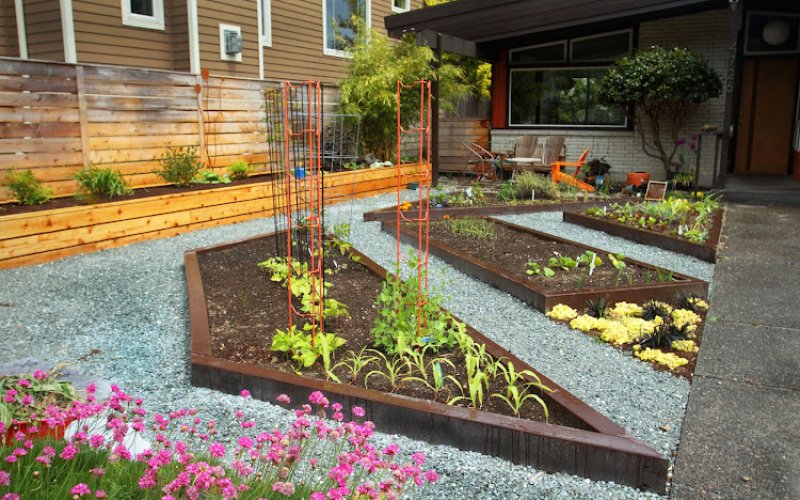
Ecoyards
Landscaper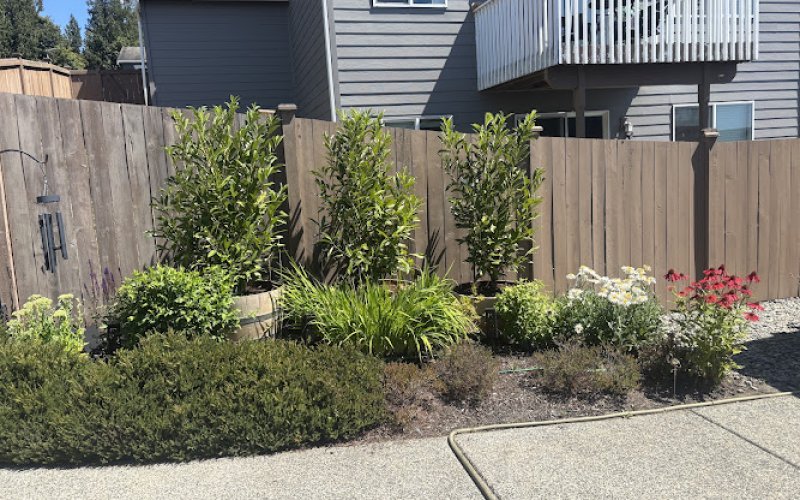
North East Landscaping & Design
Landscaper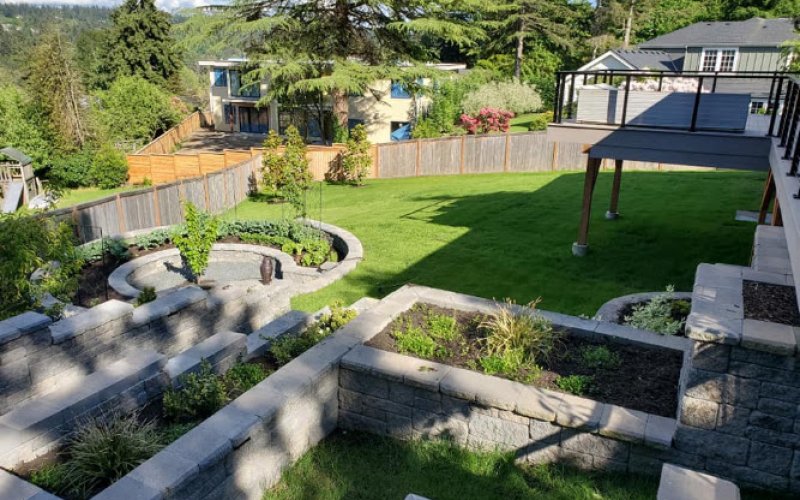
Seattle Sustainable Landscapes
Landscaper
Solstice Landscape Design
Landscape designer
Lee's General Landscaping and Yard Clean Up
Landscaper
Rock Solid Landscapes
Landscaper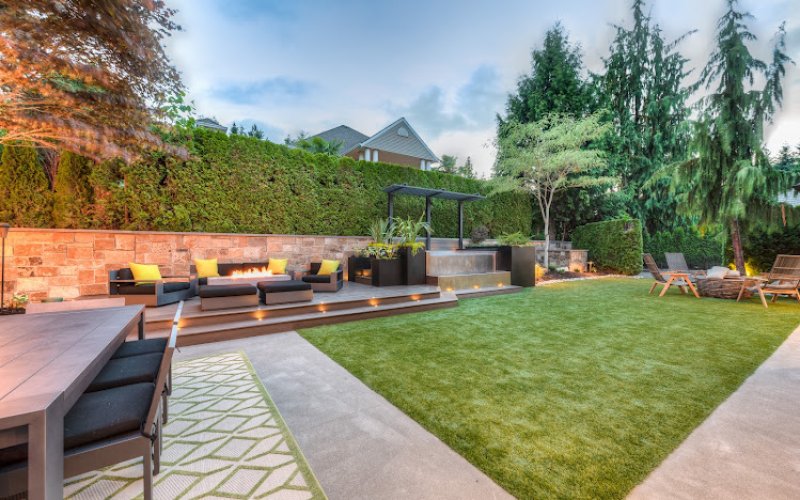
West Edge Landworks
Landscaper
Le Landscapes & Yardwork
LandscaperAbout Landscapers in Seattle
Here's something that'll surprise you: Seattle's landscaping market jumped 34% in project volume last year, with the average residential job hitting $12,800—that's $2,400 more than the national average. And we're not talking about basic lawn maintenance here. The numbers tell a story of a city where everyone suddenly cares about their outdoor space. Post-pandemic, 68% of Seattle homeowners tackled some form of landscaping project, according to King County permit data. We're seeing everything from elaborate rain gardens in Ballard to xeriscaping experiments in West Seattle. The tech money flowing through town doesn't hurt either—median household income sits at $102,500, giving folks the budget for those Instagram-worthy yard transformations. But here's what's really driving demand: new construction permits hit 8,200 units in 2024, and every single one of those properties needs landscaping. Plus, Seattle's push toward environmental sustainability means homeowners are ditching traditional lawns for native plant gardens and permeable hardscaping. The city's Green Streets program has property owners thinking about stormwater management—suddenly everyone wants bioswales and rain-collecting features. It's not just aesthetics anymore; it's infrastructure.
Capitol Hill
- Area Profile: Compact lots averaging 4,200 sq ft, mix of 1920s craftsmans and modern townhomes
- Common Landscapers Work: Vertical gardens, rooftop decks, small-space design, privacy screening
- Price Range: $8K-$18K for typical backyard renovation, $25K+ for rooftop projects
- Local Note: Parking restrictions make material delivery tricky; many jobs require hand-carrying supplies
Magnolia
- Area Profile: Large lots (8,000-12,000 sq ft), 1950s-70s homes, established mature landscaping
- Common Landscapers Work: View preservation, slope stabilization, irrigation system upgrades
- Price Range: $15K-$35K for major renovations, $45K+ for slope work with retaining walls
- Local Note: Many properties have Sound views that drive premium pricing for maintaining sight lines
Fremont
- Area Profile: Quirky mix of cottages and new builds, 5,500 sq ft average lots
- Common Landscapers Work: Edible gardens, artistic hardscaping, chicken coop integration, rain gardens
- Price Range: $10K-$22K for complete yard makeovers
- Local Note: Neighborhood loves unique features—expect requests for mosaic pathways and sculptural elements
Bellevue (Eastside)
- Area Profile: Newer construction, larger suburban lots averaging 9,800 sq ft
- Common Landscapers Work: Full landscape design, outdoor kitchens, elaborate lighting systems, maintenance-free solutions
- Price Range: $20K-$65K for comprehensive projects, $80K+ for luxury outdoor living spaces
- Local Note: Tech executive clientele expects smart irrigation and app-controlled landscape lighting
📊 **Current Pricing:**
- Entry-level projects: $3K-$8K (basic plantings, simple hardscaping, irrigation repair)
- Mid-range: $12K-$25K (complete yard renovation, retaining walls, drainage solutions)
- Premium: $35K+ (outdoor living spaces, complex grading, high-end materials)
Look, material costs are still brutal. Flagstone that was $180 per ton in 2022? Now it's $265. Labor's even tighter—good crews are booking 6-8 weeks out during peak season (April through October). 📈 **Market Trends:** The demand is absolutely nuts—up 28% from 2023. Everyone's obsessed with native plants now; requests for Pacific Northwest species jumped 45% last year. Homeowners want low-maintenance solutions that handle our weird weather patterns. Permeable paving is having a moment too, partly because of new city stormwater regulations. Wait times averaged 4.2 weeks in summer 2024, but that stretched to 10+ weeks for top-tier contractors. Winter work (November-February) books at about 40% discount, though weather delays are common. 💰 **What People Are Spending:**
- Complete backyard renovation: $18,500 average
- Retaining wall installation: $8,200 typical project
- Irrigation system: $4,800 for average Seattle lot
- Patio/hardscaping: $12,300 median cost
- Drainage solutions: $6,100 (very popular lately)
Seattle's adding 1,400 residents monthly, and they all need places to live. That translates directly to landscaping demand. **Economic Indicators:** Amazon's continued expansion, plus Microsoft's Redmond presence, keeps tech salaries high. The South Lake Union boom added 12,000 jobs in 2024 alone. New developments like the Spring District in Bellevue and Northgate's light rail area are generating thousands of new properties needing landscaping. **Housing Market:** - Median home value: $847,200 (up 8.3% year-over-year) - New construction permits: 8,200 units in 2024 - Inventory levels: 2.1 months supply (still tight) Here's the connection most people miss: when homes cost $850K, spending $20K on landscaping feels reasonable. These aren't starter home buyers pinching pennies—they're established professionals who view outdoor space as essential. Plus, Seattle's density push means smaller lots, so every square foot of outdoor space gets maximized. **How This Affects Landscapers:** New construction creates two waves of work. First, the initial landscaping installation. Then, 2-3 years later, homeowners want upgrades because builder-grade landscaping is usually pretty basic. I've tracked this pattern through multiple development cycles—it's predictable as rain.
**Weather Data:**
- ☀️ Summer: Highs 70s-80s°F, dry June-September (only 3.1" total rainfall)
- ❄️ Winter: Lows 35-45°F, occasional snow but rarely sticks
- 🌧️ Annual rainfall: 37.1 inches (but 75% falls October-March)
- 💨 Wind/storms: Occasional December-February windstorms, minimal tornado risk
**Impact on Landscapers:** Prime season runs April through October—that's when 80% of projects happen. The summer drought means irrigation planning is crucial; properties without good watering systems look rough by August. Our clay soil becomes concrete-hard when dry, making summer excavation expensive. Winter work is possible but tricky. Constant drizzle makes outdoor projects miserable, and clay soil turns into mud soup. Smart contractors focus on hardscaping and covered work during rainy months. **Seasonal rush periods:** March is crazy—everyone wants to start their project before the good weather hits. September gets busy too, as people try to finish before winter rain arrives. **Homeowner Tips:**
- ✓ Plant in fall—winter rain establishes root systems naturally
- ✓ Install drainage before it becomes a problem; our clay soil doesn't forgive
- ✓ Choose native plants that handle dry summers without constant watering
- ✓ Plan hardscaping for summer months when ground conditions are stable
**License Verification:** Washington State Department of Labor & Industries handles contractor licensing. Landscapers need a Specialty Contractor License for projects over $1K, General Contractor License for work exceeding $4K. Look up any license number at lni.wa.gov—takes 30 seconds and saves headaches. **Insurance Requirements:** - General liability minimum: $300K (though $1M is standard) - Workers' comp required for any crew of 2+ - Verify coverage directly with insurance company, not just the certificate ⚠️ **Red Flags in Seattle:**
- Door-to-door solicitation claiming they're "working in the neighborhood"—legit contractors stay busy through referrals
- Demands full payment upfront (WA law limits deposits to 10% or $1K, whichever is less)
- No local references—lots of fly-by-night operators follow construction booms
- Quotes that seem too good by more than 20%—they'll cut corners or add change orders
**Where to Check Complaints:** - WA L&I contractor lookup shows violations - Better Business Bureau (though many good contractors don't participate) - King County consumer protection office handles fraud complaints
✓ Minimum 3 years Seattle-specific experience (not just licensed here)
✓ Portfolio showing projects in your neighborhood or similar conditions
✓ References you can drive by and see the actual work
✓ Detailed written estimate breaking down materials, labor, timeline
✓ Clear payment schedule tied to completion milestones
Check Reviews & Ratings
We recommend verifying businesses through trusted review platforms before making a decision.
Frequently Asked Questions
Popular Categories in Seattle
Explore Other Cities
🔑 Locksmiths near Seattle
Professional Categories in Seattle, WA
Related Services from Similar Professionals