Need Your Raleigh Yard Redone Before Summer? Start Here
Hey there! Welcome to our Raleigh landscapers directory – your go-to spot for finding awesome local pros who know how to make North Carolina yards look absolutely amazing. Whether you need someone to tackle that overgrown mess or create your dream outdoor space, we've got you covered with the best landscaping folks in the Triangle area.
Map of Businesses in Raleigh
All Listings in Raleigh
11 businesses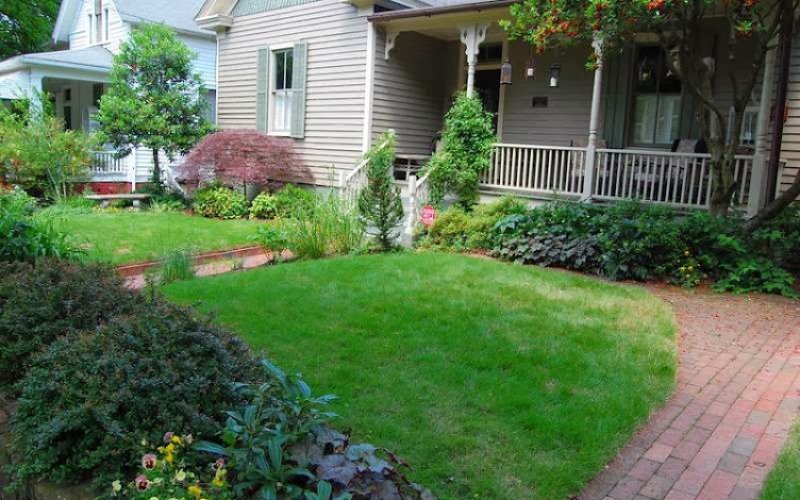
Cat Valand Landscape Design
Landscape designer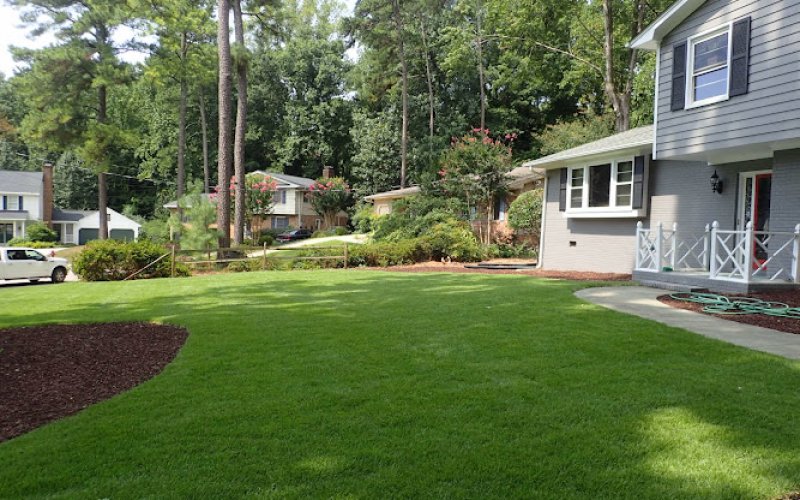
DreamScapes
Landscaper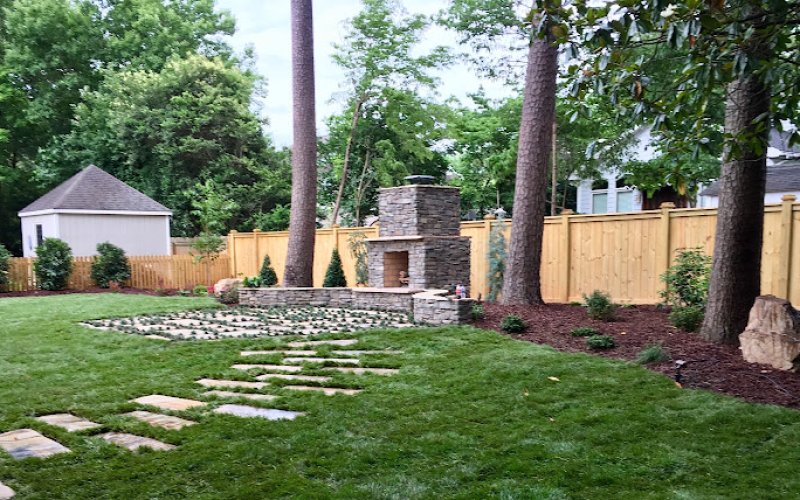
Walters Landscapes, LLC
Landscaper
Augusta Lawn Care of NW Raleigh
Lawn care service
Currin Pools & Outdoor Living
Swimming pool contractor
Duck Landscaping Raleigh
Landscaper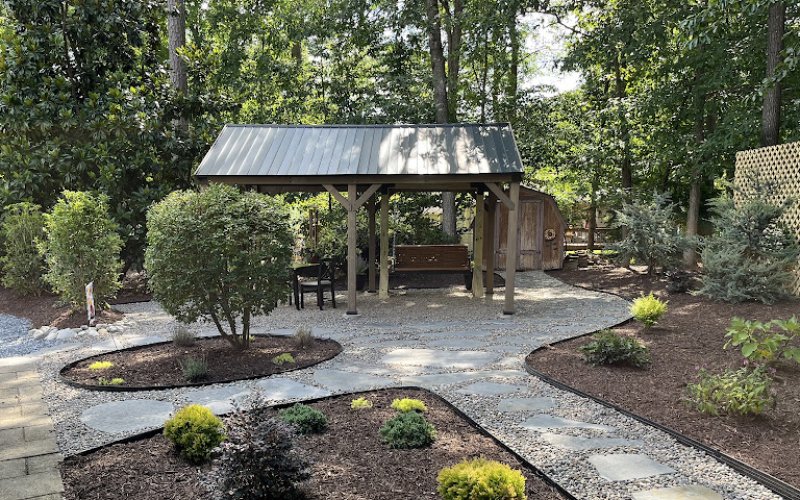
Edison Landscaping
Landscaper
HuntScapes
Landscape designer
Nature First Landscaping
Landscaper
Brookscapes LLC
Landscaper
Four Seasons Maintenance, Inc.
LandscaperAbout Landscapers in Raleigh
Raleigh's landscaping market hit $247 million in 2025—that's a 31% jump from pre-pandemic levels. And here's the thing: it's not slowing down. The Triangle's population surge (growing 2.8% annually) means 40,000+ new households need yards designed, maintained, or completely overhauled. I've watched entire subdivisions in North Hills and Brier Creek go from bare dirt to Instagram-worthy outdoor spaces in 18 months. The median landscaping project runs $12,500 now—up from $8,900 in 2020. But here's what the numbers don't show: half these jobs involve fixing previous work. Poor drainage, wrong plant choices for our clay soil, irrigation systems that flood basements. Who's hiring? Tech families relocating from California (budget: unlimited, expectations: Bay Area perfect). Empty nesters downsizing from 5-acre lots in Cary to townhomes in downtown (want low-maintenance but sophisticated). And increasingly, investment property owners who've learned curb appeal = faster sales. The commercial side's exploding too—new office parks along I-540, mixed-use developments in Midtown, apartment complexes trying to justify $2,200 rent with "resort-style amenities."
North Hills
- Area Profile: Mix of 1960s ranches and new construction, 0.25-0.5 acre lots, established trees
- Common Landscapers Work: Backyard makeovers, outdoor kitchens, privacy screening from Six Forks traffic
- Price Range: $15K-$35K for complete redesigns, $8K-$12K for maintenance upgrades
- Local Note: Strict tree ordinances—removing anything over 6" diameter requires permits
Brier Creek
- Area Profile: New builds 2000+, larger lots, minimal existing landscaping
- Common Landscapers Work: Full installations, irrigation systems, foundation plantings
- Price Range: $18K-$28K for new construction packages, $5K-$9K for seasonal color
- Local Note: Heavy clay soil requires extensive amendments—budget extra 20% for drainage
Oakwood
- Area Profile: Historic homes 1900-1930, small urban lots, mature canopy
- Common Landscapers Work: Shade gardens, historic-appropriate plantings, small space maximization
- Price Range: $8K-$18K typical, but specialized historic work hits $25K+
- Local Note: Historic district guidelines restrict plant choices—no modern cultivars
Cary (West End)
- Area Profile: Executive homes 1990s-2010s, 1+ acre lots, existing professional landscaping
- Common Landscapers Work: Maintenance contracts, seasonal updates, pool area redesigns
- Price Range: $20K-$45K for major renovations, $3K-$6K monthly maintenance
- Local Note: HOA standards are brutal—every shrub needs approval
📊 **Current Pricing:**
- Entry-level projects: $3K-$8K (basic plantings, mulch, simple irrigation)
- Mid-range: $12K-$25K (complete yard makeover, hardscaping, lighting)
- Premium: $35K+ (outdoor living spaces, water features, smart systems)
Look, these numbers jumped 40% since 2021. Labor shortage hit hard—good crews book 8-10 weeks out during spring rush. 📈 **Market Trends:** Demand's up 23% year-over-year, driven by remote work (people actually see their backyards now). Material costs stabilized after 2022's chaos, but specialty plants still cost 15% more than pre-COVID. Native plant requests doubled—drought tolerance sells itself after last summer's water restrictions. Wait times: 6-8 weeks for design consultation, 12-16 weeks for installation start. 💰 **What People Are Spending:**
- Irrigation installation/upgrade: $4,500 average
- Outdoor lighting systems: $6,800 typical
- Hardscape patios/walkways: $12,000 median
- Privacy screening/fencing: $8,200 common
- Complete landscape renovation: $22,500 average
The $50K+ projects? That's outdoor kitchens, pools, and whole-property overhauls. Saw three last month just on Creedmoor Road.
**Economic Indicators:** Raleigh's adding 15,000 residents annually—that's 6,200 new households needing landscaping. Apple's expansion, Epic Games' growth, and the Research Triangle's biotech boom mean high-income transplants with California budgets. Downtown's adding 4,800 apartment units by 2027, plus mixed-use projects like Midtown East and the warehouse district conversions. **Housing Market:** - Median home value: $485,000 (up 12% from 2024) - New construction permits: 8,900 units in 2025 - Inventory: 1.8 months supply (still seller's market) - Average lot size trending smaller: 0.35 acres vs 0.42 in 2020 **How This Affects Landscapers:** New construction means blank slates—builders do minimal landscaping, leaving $15K-$25K in work per house. Existing homeowners see property values rise and reinvest in curb appeal. But here's the catch: smaller lots mean creative design matters more. Cookie-cutter solutions don't work when your neighbor's deck overlooks your entire backyard. Commercial demand exploded too. Every new office park wants "biophilic design" and rain gardens for stormwater credits.
**Weather Data:**
- ☀️ Summer: High 85-90°F, humid, afternoon thunderstorms
- ❄️ Winter: Low 30-40°F, occasional ice, mild overall
- 🌧️ Annual rainfall: 46 inches (but unpredictable timing)
- 💨 Wind/storms: Hurricane remnants September-October, ice storms every 3-4 years
**Impact on Landscapers:** March through May is installation season—everyone wants work done before summer heat. Clay soil becomes concrete when dry, soup when wet. Irrigation systems run overtime July-August, then sit unused during soggy winters. Hurricane season means emergency tree work and drainage fixes, but also delayed projects when crews chase storm damage. The 2024 drought taught everyone about plant selection. Native alternatives to water-hungry fescue lawns became standard recommendations. **Homeowner Tips:**
- ✓ Schedule major work February-April before spring rush
- ✓ Install drainage before planting—clay soil floods easily
- ✓ Choose native plants adapted to humidity and soil conditions
- ✓ Plan irrigation zones based on sun exposure and plant water needs
**License Verification:** North Carolina Landscape Contractors' Licensing Board requires licenses for projects over $30K or involving irrigation/lighting. Check license status at nclclb.org using contractor's name or license number. Residential landscape contractors need different credentials than commercial. **Insurance Requirements:** - General liability minimum: $300K (though $1M is standard) - Workers' comp required for crews of 3+ - Ask for certificates of insurance—verify directly with carrier ⚠️ **Red Flags in Raleigh:**
- Door-to-door sales after storm damage (common post-hurricane scam)
- Requires full payment upfront (legitimate contractors take 10-20% deposits)
- No physical address or uses P.O. box only
- Quotes significantly below market (usually means corners cut or change orders coming)
**Where to Check Complaints:** NC Landscape Contractors' Licensing Board handles formal complaints. Better Business Bureau tracks patterns but limited enforcement power. Wake County Consumer Protection office investigates fraud—they've seen uptick in unlicensed operators targeting new residents unfamiliar with local requirements.
✓ Portfolio showing Raleigh projects, not stock photos
✓ References from your specific neighborhood or similar
✓ Detailed estimate breaking down materials, labor, timeline
✓ Knowledge of local plant choices and growing conditions
✓ Clear change order process in writing
Check Reviews & Ratings
We recommend verifying businesses through trusted review platforms before making a decision.
Frequently Asked Questions
Popular Categories in Raleigh
Explore Other Cities
🔑 Locksmiths near Raleigh
Professional Categories in Raleigh, NC
Related Services from Similar Professionals